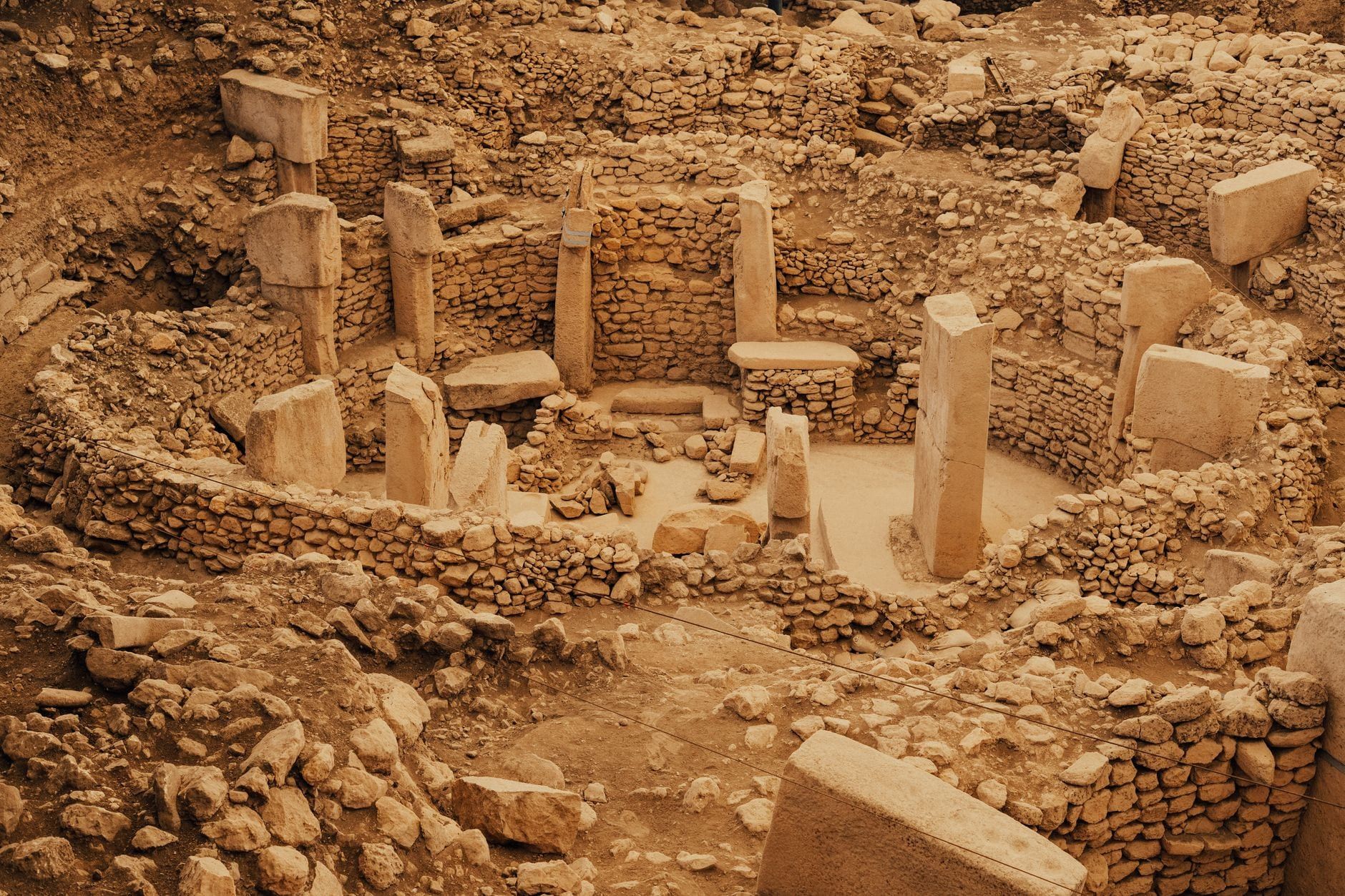
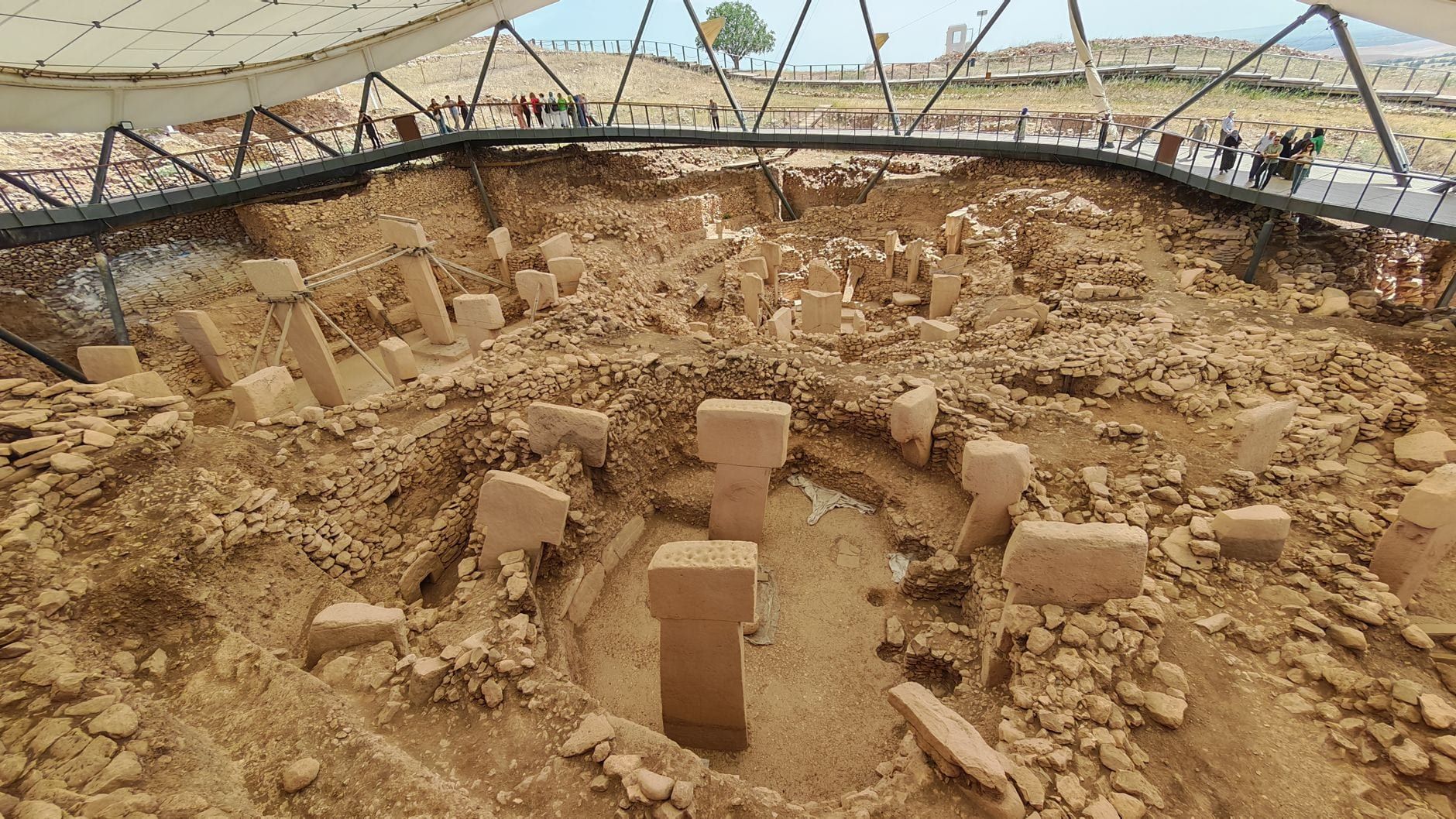
Yes — Göbekli Tepe is open to visitors, and it has never been easier to see. The world's oldest known monumental ritual complex, a mound of carved limestone pillars raised around 9600 BCE, sits 15 km northeast of Şanlıurfa in southeast Turkey, with a modern visitor centre, an included shuttle, and raised walkways under a protective canopy. Nearly 782,000 people visited in 2025 alone. You can do it independently in half a day, and this guide covers exactly how.
Quick Answer: Yes, Göbekli Tepe Is Open to Visitors
Göbekli Tepe has been welcoming tourists since excavations opened to the public, and roughly 4 million people have now made the trip. The site is managed by the Turkish Ministry of Culture and Tourism and operates year-round: you buy a ticket, pass through a visitor centre with exhibits and a café, ride a shuttle (included in the price) up to the monument, and follow a fixed wooden-walkway circuit over the excavations. The essentials: it's about 15 km northeast of Şanlıurfa near Örencik village, off the D400 highway; hours run 08:30–19:00 in summer (April 1–October 31) and 08:30–17:30 in winter; the foreign-visitor fee is €20; and you'll want 2–3 hours on site.
Why make the effort? The pillars here went up around 9600 BCE — roughly 6,000 years before Stonehenge and 7,000 before the pyramids at Giza. That's before farming, before pottery, before permanent villages as we usually picture them. The standard assumption had always been that agriculture came first and organized religion followed; Göbekli Tepe, inscribed on the UNESCO World Heritage List in 2018, suggests hunter-gatherers built monumental ritual architecture before they ever planted a field. You can read more about the site's background and significance in our overview of Göbekli Tepe.
Where Göbekli Tepe Is and How to Get There
Şanlıurfa (also called Urfa) is the base, full stop. There's nothing at the site itself beyond visitor facilities, and the city is 20–30 minutes away by road on a well-maintained, well-signposted route. Şanlıurfa GAP Airport sits about 36–40 km out and handles flights from Istanbul in around two hours, with one-way fares often under $50 if you book ahead. If you're planning the journey in detail, our guide to getting to Göbekli Tepe covers routes and transport options in depth.
Four ways to make the final leg, and each suits a different traveller:
| Option | Cost | Door-to-door | Best for |
|---|---|---|---|
| Rental car | Fuel only; free on-site parking | ~20–30 min | Flexibility, combining with Karahan Tepe |
| Taxi | Negotiated return fare incl. wait | ~20–30 min | Couples wanting a set two-hour stop |
| Bus 0 (public) | Urfakart or credit card tap | 40–45 min each way | Budget and independent travellers |
| Guided tour | Varies by operator and group size | Half-day, with commentary | First-time visitors wanting context |
Self-driving is the simplest option. The road out of Şanlıurfa is good, signage is clear, and parking at the site is free. Download offline maps before you leave the city — mobile signal can drop on the ridge roads, and Turkish checkpoints occasionally appear on regional highways, where a passport and a calm manner get you through in a minute.
The public bus is the option most guides get wrong or ignore. Bus 0 leaves from a stop by the Şanlıurfa Archaeology Museum at 09:45, 12:45, and 15:45, takes 40–45 minutes, waits about an hour and a half at the site, and returns at 12:00, 15:00, and 17:30. You tap an Urfakart or a credit card on boarding — no cash fumbling. The route is also referenced locally as the BELSAN 100 municipal line, and timetables do shift, so confirm the times at your hotel or the museum the day before.
By taxi, agree on a return fare including waiting time before you set off; around two hours at the site is a reasonable wait to negotiate. Drivers in Şanlıurfa are used to the request. For tours, Şanlıurfa-based operators run half-day excursions, and there's a separate category of Göbekli Tepe tours originating in Istanbul with flights included — those run from roughly $196 for a shared day trip to over $1,300 for private versions, depending on group size and inclusions.
Can you day-trip from Istanbul? Yes, if you start early. Fly out on a 6–7 am departure, land at GAP Airport around two hours later, and you can be on the walkways by late morning with time for the Şanlıurfa Museum before an evening flight home. It's a 14-hour day. Worth it only if your Turkey itinerary can't stretch to an overnight in Urfa — one night turns the sprint into a genuine visit.
On arrival, everything is signposted: car park, then the ticket shop and visitor centre, then either the included shuttle to the monument or a one-kilometre walk (10–15 minutes) if you'd rather stretch your legs.
Tickets, Prices, and Opening Hours
Foreign visitors pay a €20 entrance fee, per the official published rate. Independent travellers have also reported paying around 230 TL, cash or card — a figure that has climbed sharply in recent years as Turkish site pricing has been restructured. Treat both numbers as indicative and expect the price to have moved again by the time you arrive. Tickets are sold at the on-site shop or online in advance through muze.gov.tr; buying online costs nothing extra and saves the queue in peak season.
Passes change the math considerably. MuseumPass Türkiye holders get two free visits per year, MuseumPass Plus allows unlimited entry, and students and teachers enter free. Turkish citizens use their MüzeKart. If Göbekli Tepe is one of several state museums on your itinerary, the pass can pay for itself. Full current details are on our hours and fees page.
The official schedule is seasonal: 08:30–19:00 from April 1 to October 31, and 08:30–17:30 through winter, with ticket offices closing 30 minutes before site close. On the first day of religious holidays the site opens at 13:00.
What You'll Actually See on Site
Set expectations first: you will not walk among the pillars. The visit is entirely from elevated wooden walkways under an enormous protective canopy that spans the excavations, looking down into the enclosures from a few metres above. It protects the limestone, and it means the circuit is short — but what you're looking at is worth the framing. We cover the carvings in depth in our guide to Göbekli Tepe's carvings.
The route runs in one direction. Start at the visitor centre, where your ticket covers a small exhibit with artefact replicas, dioramas, and an immersive animation hall that reconstructs how the site looked 11,000 years ago — genuinely useful, and the only place you'll see the pillars at eye level. Then take the shuttle or the one-kilometre path up to the walkway circuit.
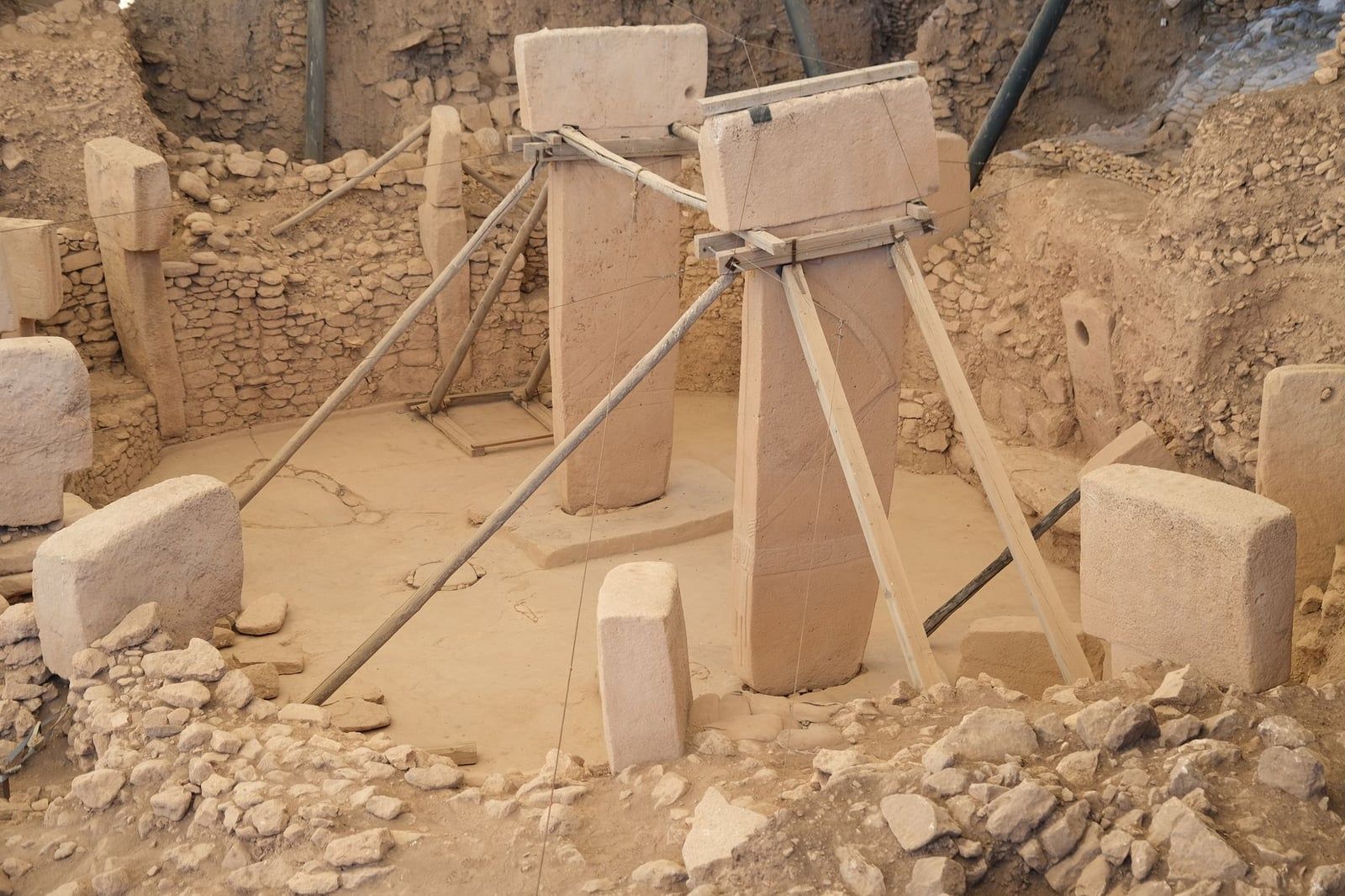
The walkway passes over the enclosures in turn. Enclosure D is the largest and best preserved, and it holds the site's most striking pair of central pillars: T-shaped stones carved with arms, hands, and fox-pelt loincloths, as if the pillars themselves are standing figures. Foxes, boars, snakes, and cranes work their way across the flanking stones. Enclosure C contains Pillar 43 — the "Vulture Stone" — whose vulture-and-scorpion imagery is the most photographed carving on the site. The enclosures run over 20 metres across, and the tallest pillars reach 5.5 metres.
Then adjust your sense of scale. Only about 5–10% of Göbekli Tepe has been excavated; geophysical surveys have detected at least 16–20 more structures still buried under the mound. What you see from the walkway is a fraction of what's there.
Rules are strict and enforced. You stay on the walkway, you don't enter the monument or the excavation trenches, and the whole route is under video surveillance — this is an active dig. Don't touch or move anything resembling a stone fragment. Turkey imposes prison sentences of up to ten years for illegally exporting archaeological artefacts, and that law is not theoretical.
When to Go: Best Time of Day and Year
March–May and September–November are the months to aim for. Spring brings wildflowers across the ridge (April is the best of it), autumn delivers golden, low light across the plateau, and both seasons keep temperatures in the comfortable band. Winter is cold, windy, occasionally wet — and quiet. If you'd rather have the walkway to yourself in moody light than share it in sunshine, January and February deliver.
Summer is the problem season. Şanlıurfa regularly exceeds 40°C, and the ridge is exposed with near-zero shade beyond the canopy. If summer is when you're in Turkey, go at opening time, carry more water than you think you need, and be back in the city by early afternoon.
Time of day matters almost as much as month. Early morning and late afternoon cast raking light across the reliefs, which makes the animal carvings pop out of the stone; midday sun comes straight down and flattens every detail. Early and late slots also dodge the tour groups. For photography, bring a zoom lens or binoculars — you'll be viewing from walkway distance, and a phone lens will struggle to isolate Pillar 43's detail. Binoculars are the underrated addition; you'll see carving texture most visitors miss entirely.
How Long You Need — and Whether It's Worth It
Most visitors spend 1.5 to 3 hours at the site. The licensed guides who work here recommend a minimum of 90 minutes, ideally 2–3 hours — the circuit is short, but it rewards slow looking, and the exhibit hall alone takes 30 minutes to do properly. Add 1.5–2 hours more if you're including the Şanlıurfa Museum, which you should.
The honest verdict: yes, it's worth it, with a caveat about price. The €20 ticket is genuinely steep for what is, on paper, a walkway circuit that takes an hour. Even budget reviewers who balk at the cost conclude the site is worth it for anyone with an interest in history or anthropology — this is the oldest known monumental ritual complex on Earth, and there is exactly one of it.
Two levers change the experience dramatically. First, visit the Şanlıurfa Archaeology Museum before the site, so you arrive knowing what you're looking at. Second, go with a licensed guide, either by joining a walking tour of the site or booking a private guide who can explain the symbolism pillar by pillar. Visitors who walk it cold in an hour tend to feel underwhelmed; visitors with context tend to call it the highlight of their Turkey trip. Travellers with zero interest in deep history may find better value elsewhere in the region — everyone else should go.
Practical Tips, Safety, and Accessibility
Pack for an exposed ridge, not a museum. Sturdy shoes, a hat, sunscreen, and at least a litre of water per person — more in summer. Bring snacks; the café is at the visitor centre, not on the circuit. In winter, add layers: the wind off the Tektek Mountains cuts through a light jacket in minutes.
Accessibility is better than at most ancient sites. The path from the visitor centre is gently sloped and paved, and the walkways over the enclosures are flat with railings — broadly manageable for wheelchairs and strollers. The stretch between car park and visitor centre can be uneven, so allow a few extra minutes and a hand where needed.
On safety: travellers consistently report feeling safe in Şanlıurfa and at the site, and Göbekli Tepe was unaffected by the February 2023 magnitude-7.8 earthquake that struck the region. The area is earthquake-prone, though, and the excavation project's own visitor page advises checking your embassy's or government's current travel guidance before you plan the trip. That's sensible, standard advice for southeast Turkey — not a reason to stay away.
Etiquette is straightforward: stay on the walkway, touch nothing, respect the active excavation and the people working it. The site rules exist because this is still, first and foremost, a scientific dig — the tourists are the guests.
Pairing Göbekli Tepe with Karahan Tepe and the Şanlıurfa Museum
Visit the Şanlıurfa Archaeology Museum first — ideally the afternoon or evening before you go to the site. Opened in 2015, with 14 halls along a 4.5-km exhibition route, it holds the original Göbekli Tepe pillar fragments removed from the mound, plus a glass-floor replica of the site that lets you study the enclosures at walking pace. Its star is Urfa Man: a 1.80-metre, 11,000-year-old statue with obsidian eyes, the earliest known life-sized human figure ever found. The museum drew nearly 334,000 visitors in 2025, accepts MuseumPass Türkiye, and takes 1.5–2 hours. Doing it before the site turns the walkway circuit from "old stones under a roof" into something you can actually read.
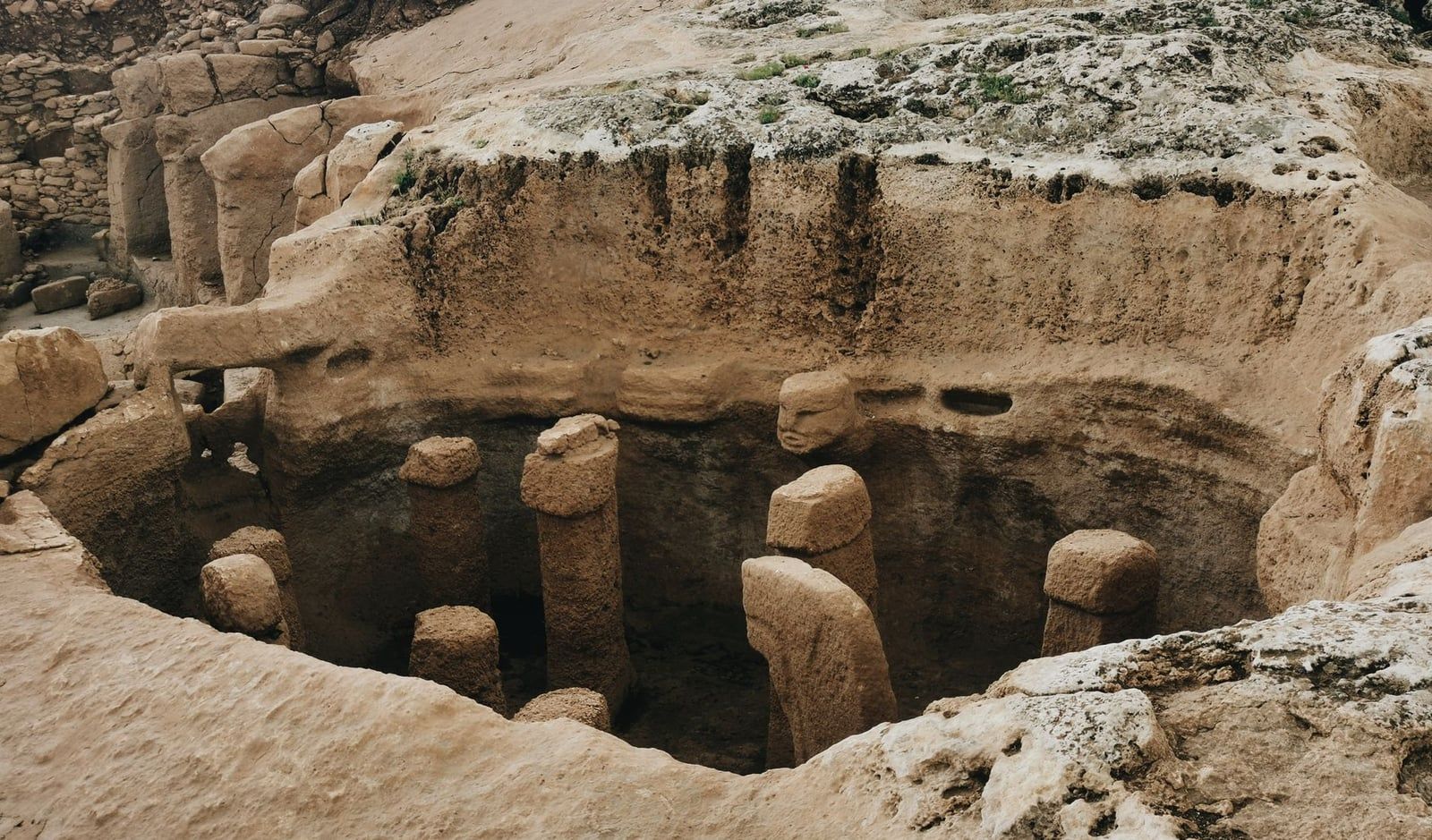
Karahan Tepe is the sister site and the natural add-on. It sits about 32–35 km from Göbekli Tepe, roughly an hour's drive from central Şanlıurfa through the Tektek Mountains, with rock-cut pillars and a giant carved head among its finds. Combining both sites plus the museum in one day is ambitious but feasible with an 08:30 start; with your own car or a driver, it's the best single day you can build in this region.
Both sites belong to the Taş Tepeler project, launched by the Ministry of Culture and Tourism in 2020 to link Göbekli Tepe with Karahantepe, Sayburç, Sefertepe, Harbetsuvan, and Ayanlar Höyük. A new visitor centre at Göbekli Tepe and a research centre at Karahantepe are nearing completion, so facilities keep improving year on year.
If you're staying longer in Şanlıurfa, give Balıklıgöl and the old city at least an hour — the sacred fish pools and surrounding bazaar streets are the city's heart. Harran, with its beehive houses, lies about 50 km south and makes a good half-day. Beyond that, the region opens into longer itineraries toward Mount Nemrut and the east, best saved for a dedicated trip.
Frequently asked questions
Is Göbekli Tepe open to visitors right now?
Yes — the site operates year-round with a visitor centre, shuttle, protective canopy, and raised walkways over the excavations. Hours shift seasonally, so confirm the current schedule on the official Ministry of Culture and Tourism listing (muze.gov.tr) before travelling.
How much does it cost to visit Göbekli Tepe?
The foreign-visitor entrance fee is €20; independent travellers have reported paying around 230 TL by cash or card. MuseumPass Türkiye holders get two free visits a year (Plus: unlimited), and students and teachers enter free. Prices change fast — verify before you go.
Can you visit Göbekli Tepe as a day trip from Istanbul?
Yes, but it's a long day. Fly Istanbul to Şanlıurfa GAP Airport (about 2 hours), then drive roughly 40 km to the site. Dedicated day tours with flights run from around $200 shared to $800+ private. Book early flights in advance and start before dawn.
Is Göbekli Tepe closed on Mondays?
Sources conflict: a 2023 guide claims Monday closures, but the current official listing shows daily opening. The official schedule's only exception is a 13:00 opening on the first day of religious holidays. Treat the Monday claim as unverified and check the official museum listing.
How long do you need at Göbekli Tepe?
Most visitors spend 1.5–3 hours at the site itself. Add another 1.5–2 hours for the Şanlıurfa Archaeology Museum, which supplies the context — visit it first if your schedule allows.
Is Göbekli Tepe worth visiting — and worth the ticket price?
For anyone curious about archaeology or human origins, yes, even at the elevated price. Context is the multiplier: visit the museum first or go with a licensed guide. Travellers who walk it cold in an hour tend to feel the ticket is steep.
Is it safe to visit Göbekli Tepe and Şanlıurfa?
Travellers consistently report feeling safe in Şanlıurfa and at the site, and Göbekli Tepe was unaffected by the February 2023 earthquakes. The region is earthquake-prone, so check your government's current travel advice before planning.
Can you go inside the enclosures or touch the pillars?
No. Visitors view the enclosures from elevated wooden walkways under the canopy; entering the monument or trenches is prohibited, the route is under video surveillance, and illegally removing artefacts carries prison sentences of up to 10 years.